L’excel·lència no és un acte, sinó un hàbit.
Per això dic a tots vosaltres, Ānanda: "Mantingueu aquesta bona pràctica que he fundat. No sigueu el meu darrer home."
- El pitjor enemic d’un és el seu ego. La pèrdua més gran és perdre’s a si mateix.
- L’arrogància és la pitjor derrota. La subestimació pròpia és la cosa més lamentable.
- La compassió i la consciència de la impermanència que sorgeixen en la ment d’un són els majors regals.
Així que Ānanda, després de la meva partida, que l’ensenyament sigui la teva illa, viu com la teva pròpia illa, el teu propi refugi, sense cap altre refugi.
Per al que és independent no hi ha agitació. Quan no hi ha agitació, hi ha tranquil·litat. Quan hi ha tranquil·litat, no hi ha inclinació. Quan no hi ha inclinació, no hi ha anades i vingudes. Quan no hi ha anades i vingudes, no hi ha passar i tornar a aparèixer. Quan no hi ha passar i tornar a aparèixer, no hi ha aquest món, ni el món més enllà, ni entre tots dos.
Només això és la fi del patiment.
Recolliment
Buda - Ensenyament - Saṅgha - Ètica - Generositat - Deïtats
Compassió
Autèntica llibertat
Qui pot seguir les petjades d’Aquell que no deixa rastre? La tranquil·litat d’actes - paraules - pensaments és la presència d’un Buda. La indefinició d’aquests és l’extinció d’un Buda.
Saviesa
Deixa-ho estar
Fins i tot les paraules més sàvies són com una bassa per navegar fins a la riba llunyana, no per aferrar-s’hi tot el temps. Només el Dhamma deslligat és el veritable Dhamma.
Fortitud
Camina amb els savis
Si un no pot trobar assessors savis o companys ben informats, hauria de lluitar per viure suportant perills sense desanimar-se, vagant sol, com un corni de rinoceront.
Discursos
Camí antic


Disciplina - Anàlisis
Herba
Virtue, responsibility, protection
Ethics (Sīla), Precepts (Sikkhāpada), Discipline (Pàtimokkha), Regulations (Khandhaka), Rules (Vinaya).
The initial disciples had mostly undergone training with various ascetics and non-Buddhist teachers for a long period, so non-negligence had become a natural part of their character. Therefore, the teacher Gotama only needed to guide them in Morality (Sīla), Concentration (Samādhi), and Wisdom (Paññā). The rules (Vinaya) only gradually appeared as the number of disciples increased rapidly later on... >>> Detalls

Explanation and discussion of the Dhamma
- How can a drop of water not dry up?
- Drop it into the ocean.
Commentaries, annotations, and analyses of traditional scriptures, as well as the novels (sometimes also referred to as 'sūtras'), are the doctrinal points created by later disciples based on the original teachings of Master Gotama... >>> Detalls

Non-Buddhist teaching of liberation
"These big fishes in this small pond are all covered by this net; even if they leap up, they are still confined and covered here."
Compilation of the differing and similar interpretations of various religions, their founders, teachers, philosophers, practitioners, and renowned speakers throughout history that humanity has preserved and recorded... >>> Detalls

Other sources of materials
"Ipse se nihil scire id unum sciat."
Compilation of some websites, resources, libraries, and commonly used dictionaries for Buddhists and scholars of Buddhist studies... >>> Detalls

Historical documents
"Do not seek to follow in the footsteps of the wise. Seek what they sought."
Milestones, events, causes, and the formation process of the schools and corresponding scriptures throughout the history of Buddhism. >>> Detalls

Kafka on the Niraya's shore
The closer you get to the light, the greater your shadow grows. Until you become darkness yourself.
The interminable realm of darkness of Devadatta, Sisyphus, Prometheus. Here there is no Abhidhamma, only the entrance to the Avīci Hell. This place of delusional dreams is not a suitable abode for Buddhism practitioners. Depart from here before the last glimmer of light in Icarus’s eyes fades away... >>> Saṃsāra

Fortuna
Bon pensament Bon dia
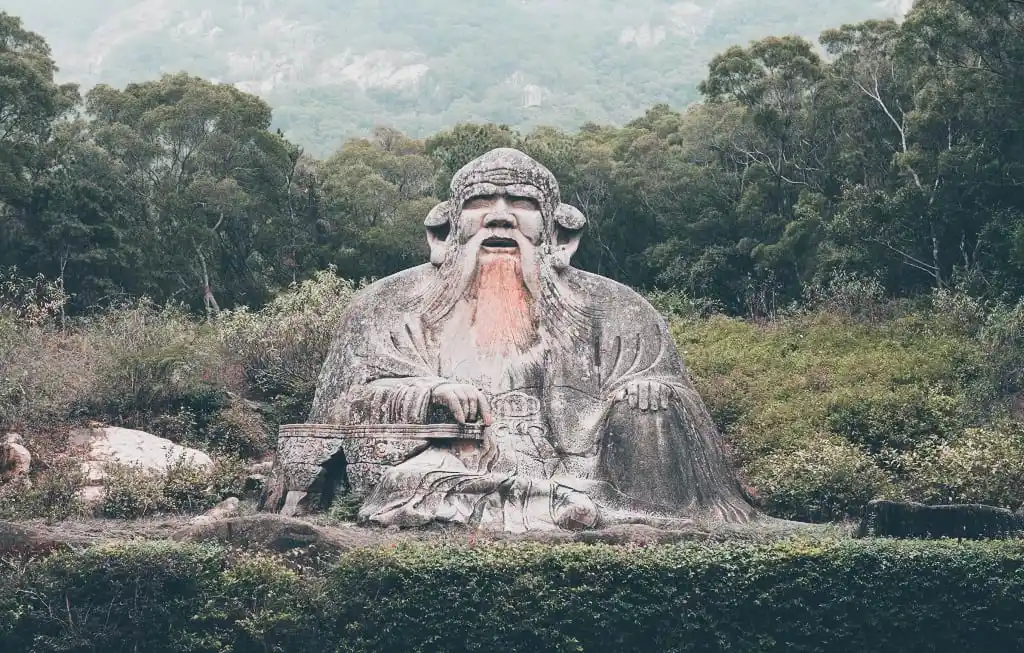
Lao tzu
#10
A good man does not think himself good, and a foolish man is always trying to appear good.
- The most humble person is not really humble.
- One cannot stand on one leg for long.
- One cannot walk with legs spread apart.
To know others is intelligence, to know oneself is wisdom. To conquer others is strength, to conquer oneself is true courage.

Mahākāla
#11
"Mahā" means great, surpassing. "Kāla" means time, darkness, emptiness. Mahākāla transcends time and space.
- An incarnation of Mahāvairocana Buddha embodies the quality of destruction.
- An aspect of Shiva dissolves everything back into the primal Void.
- Deep blackness represents the absence and complete dissolution of all phenomena.
Mahākāla, fierce and destructive, devastates all of nature and even deities; this represents the Age of Destruction and Emptiness, where time and space are almost beyond conception.
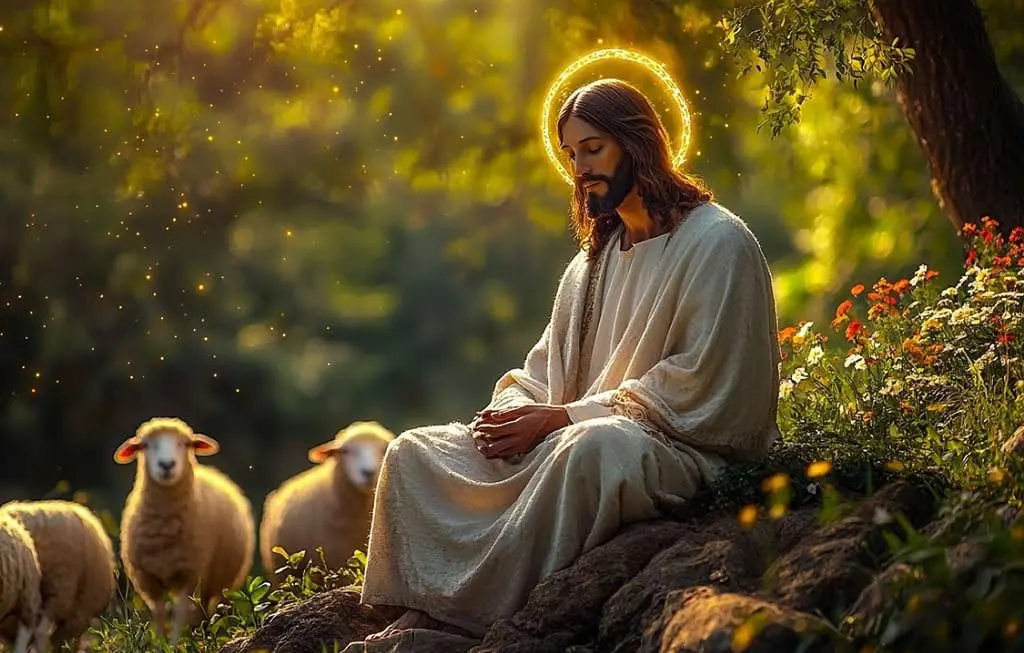
Yeshua
#12
Do not judge, or you too will be judged.
- You have heard that it was said: “Love your friends, hate your enemies.” But,
- now I tell you: love your enemies and pray for those who persecute you, so that you may become the children of your Father in heaven.
- For He makes his sun shine on bad and good people alike, and gives rain to those who do good and to those who do evil.
Do to others as you would have them do to you.
Bhaddekaratta
"Un no hauria de descuidar el propi bé per un altre, per molt gran que sigui;
Coneixent bé el que és bo per a un mateix,
s’hauria de centrar en el veritable objectiu."
- Dhammapada -
Dedicació
Sense anada ni tornada
Quins siguin els éssers que s’hagin reunit aquí, a terra o al cel, que tots els éssers tinguin un cor feliç. Així que presteu atenció, tots vosaltres éssers, tingueu amor per totes les criatures. Quins siguin els éssers que s’hagin reunit aquí, que estigueu segurs.

Ratanasutta
Sutta Nipāta
La fe justificada és la millor riquesa d’una persona. Aquell que és diligent i discernidor, l’ensenyament li aporta felicitat quan es practica bé. La veritat és el gust més dolç de tots. Aquell que diuen que té la millor vida viu amb saviesa.
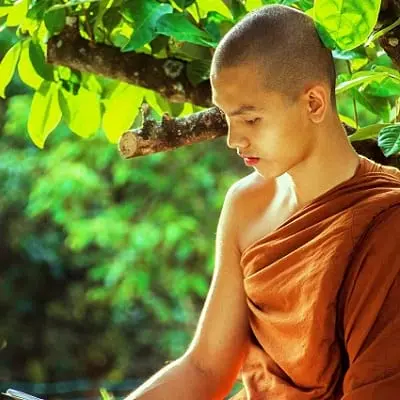
Āḷavakasutta
Sutta Nipāta
Com una mare protegiria el seu únic fill amb la seva vida, així també per a totes les criatures, desplega un cor sense límits. Quan estigueu de peu, caminant, assegut o estirat, mantingueu això sempre en ment; perquè és una meditació divina en aquesta vida.

Mettasutta
Sutta Nipāta
Tot és impermanent; el Dukkha sorgeix de l’aferrament. Quan la ment està sota control, només cal protegir-la dels llocs d’on proven les coses dolentes, no de tot en general. Tot és no-jo, i el Nibbana es basa en l’absència d’aferrament.