Exzellenz ist keine Handlung, sondern eine Gewohnheit.
Deshalb sage ich zu euch allen, Ānanda: "Haltet an dieser guten Praxis fest, die ich begründet habe. Seid nicht mein letzter Mann."
- Der größte Feind eines Menschen ist sein Ego. Der größte Verlust ist, sich selbst zu verlieren.
- Arroganz ist die schlimmste Niederlage. Selbstverachtung ist das Bedauernswerteste.
- Mitgefühl und das Bewusstsein der Vergänglichkeit, das im Geist eines Menschen entsteht, sind die größten Gaben.
Also, Ānanda, nach meinem Dahinscheiden, lasst die Lehre eure Insel sein, lebt als eure eigene Insel, eure eigene Zuflucht, ohne andere Zuflucht.
Für den Unabhängigen gibt es keine Erregung. Wenn es keine Erregung gibt, gibt es Ruhe. Wenn es Ruhe gibt, gibt es keine Neigung. Wenn es keine Neigung gibt, gibt es kein Kommen und Gehen. Wenn es kein Kommen und Gehen gibt, gibt es kein Vergehen und Wiedererscheinen. Wenn es kein Vergehen und Wiedererscheinen gibt, gibt es weder diese Welt noch eine Welt jenseits oder dazwischen.
Genau das ist das Ende des Leidens.
Erinnerung
Buddha - Lehre - Saṅgha - Ethik - Großzügigkeit - Götter
Mitgefühl
Wahre Freiheit
Wer kann die Fußspuren dessen verfolgen, der keine hinterlässt? Die Ruhe in Taten, Worten und Gedanken ist die Präsenz eines Buddha. Ihre Unbestimmtheit ist das Erlöschen eines Buddha.
Weisheit
Lass es sein
Sogar die weisesten Worte sind wie ein Floß, um ans andere Ufer zu gelangen, nicht um sich immer daran festzuhalten. Nur der ungebundene Dhamma ist der wahre Dhamma.
Standhaftigkeit
Studieren nach den Weisen
Wenn man keine weisen Ratgeber oder gute Gefährten finden kann, sollte man bestrebt sein, Gefahren unerschrocken zu bestehen, allein umherwandernd, wie ein Nashornhorn.
Lehren
Alter Pfad


Disziplin - Analysen
Weed
Virtue, responsibility, protection
Ethics (Sīla), Precepts (Sikkhāpada), Discipline (Pàtimokkha), Regulations (Khandhaka), Rules (Vinaya).
The initial disciples had mostly undergone training with various ascetics and non-Buddhist teachers for a long period, so non-negligence had become a natural part of their character. Therefore, the teacher Gotama only needed to guide them in Morality (Sīla), Concentration (Samādhi), and Wisdom (Paññā). The rules (Vinaya) only gradually appeared as the number of disciples increased rapidly later on... >>> Einzelheiten

Explanation and discussion of the Dhamma
- How can a drop of water not dry up?
- Drop it into the ocean.
Commentaries, annotations, and analyses of traditional scriptures, as well as the novels (sometimes also referred to as 'sūtras'), are the doctrinal points created by later disciples based on the original teachings of Master Gotama... >>> Einzelheiten

Non-Buddhist teaching of liberation
"These big fishes in this small pond are all covered by this net; even if they leap up, they are still confined and covered here."
Compilation of the differing and similar interpretations of various religions, their founders, teachers, philosophers, practitioners, and renowned speakers throughout history that humanity has preserved and recorded... >>> Einzelheiten

Other sources of materials
"Ipse se nihil scire id unum sciat."
Compilation of some websites, resources, libraries, and commonly used dictionaries for Buddhists and scholars of Buddhist studies... >>> Einzelheiten

Historical documents
"Do not seek to follow in the footsteps of the wise. Seek what they sought."
Milestones, events, causes, and the formation process of the schools and corresponding scriptures throughout the history of Buddhism. >>> Einzelheiten

Kafka on the Niraya's shore
The closer you get to the light, the greater your shadow grows. Until you become darkness yourself.
The interminable realm of darkness of Devadatta, Sisyphus, Prometheus. Here there is no Abhidhamma, only the entrance to the Avīci Hell. This place of delusional dreams is not a suitable abode for Buddhism practitioners. Depart from here before the last glimmer of light in Icarus’s eyes fades away... >>> Saṃsāra

Fortune
Guter Geist, Guter Tag
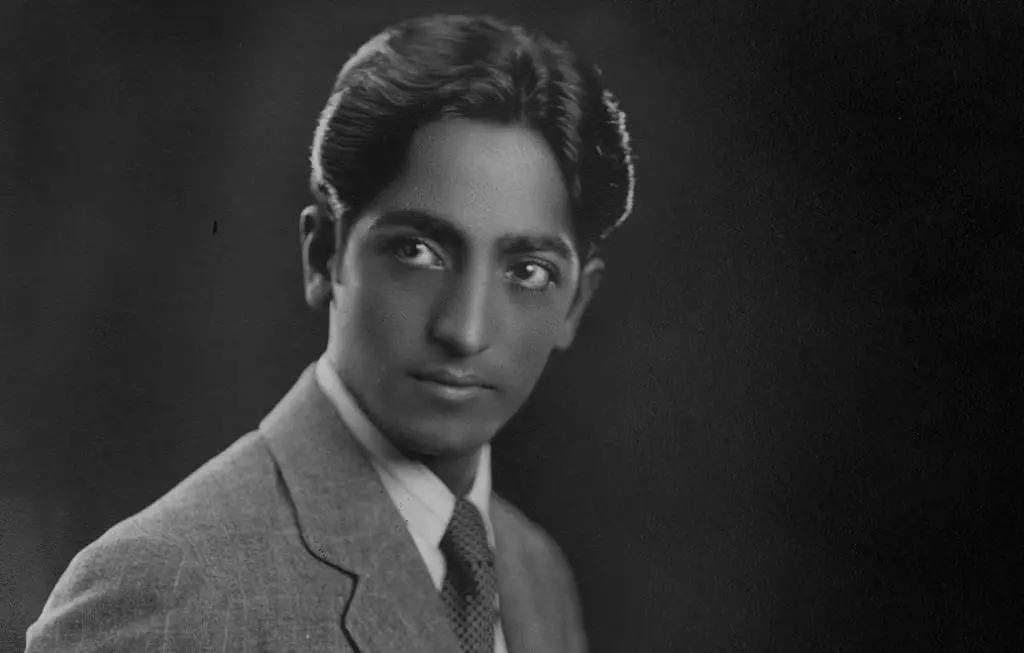
Krishnamurti
#9
When facing every problem, large or small, human beings are always influenced by preconceived conclusions, explanations, and social prejudices.
- Parents, teachers, society, and religion—all say 'do this' and 'don't do that.'
- We dig a small hole and imprison ourselves in it, letting life pass by.
- The best and most beautiful thing is when you are alone.
Life is a continuous movement in relation; to try to capture this movement in the form of the past, such as memory, is to fear life.

Mahākāla
#11
"Mahā" means great, surpassing. "Kāla" means time, darkness, emptiness. Mahākāla transcends time and space.
- An incarnation of Mahāvairocana Buddha embodies the quality of destruction.
- An aspect of Shiva dissolves everything back into the primal Void.
- Deep blackness represents the absence and complete dissolution of all phenomena.
Mahākāla, fierce and destructive, devastates all of nature and even deities; this represents the Age of Destruction and Emptiness, where time and space are almost beyond conception.
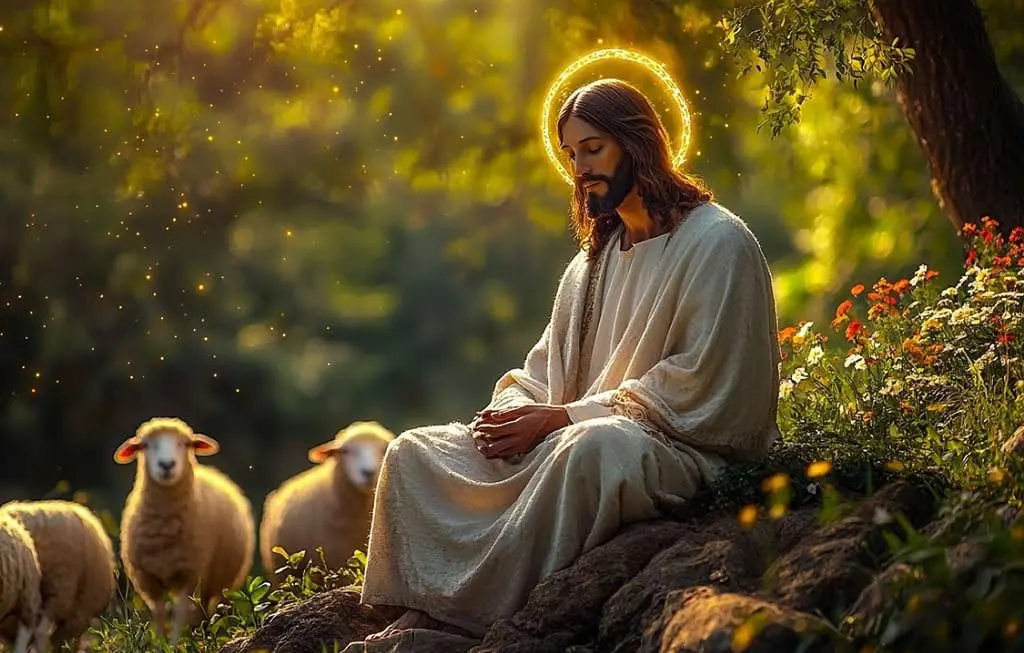
Yeshua
#12
Do not judge, or you too will be judged.
- You have heard that it was said: “Love your friends, hate your enemies.” But,
- now I tell you: love your enemies and pray for those who persecute you, so that you may become the children of your Father in heaven.
- For He makes his sun shine on bad and good people alike, and gives rain to those who do good and to those who do evil.
Do to others as you would have them do to you.
Bhaddekaratta
"Man sollte das eigene Gute nicht für das andere, so groß es auch sein mag, vernachlässigen;
Gut wissen, was einem selbst gut tut,
sollte man sich auf das wahre Ziel konzentrieren."
- Dhammapada -
Widmung
Kein Kommen, Kein Gehen
Mögen alle Wesen, die hier versammelt sind, ob auf dem Boden oder im Himmel, glücklich sein. So seid achtsam, alle Wesen, und liebt alle Geschöpfe. Mögen alle hier versammelten Wesen sicher sein.

Ratanasutta
Sutta Nipāta
Rechtfertigter Glaube ist das beste Vermögen. Fleißige und weise Menschen finden Glück in der Praxis der Lehre. Wahrheit ist der süßeste Geschmack. Der als bester Lebende bezeichnete lebt nach Weisheit.
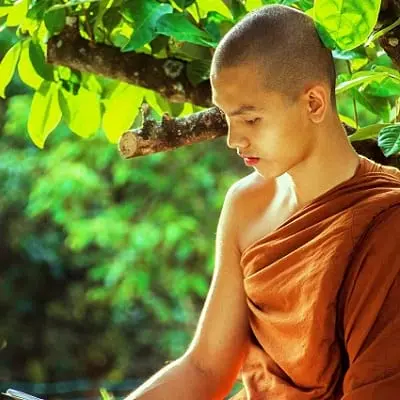
Āḷavakasutta
Sutta Nipāta
Wie eine Mutter ihr einziges Kind schützt, so entfalte auch für alle Geschöpfe ein grenzenloses Herz. Stehend, gehend, sitzend oder liegend, behalte dies stets im Sinn; es ist eine göttliche Meditation im Leben.

Mettasutta
Sutta Nipāta
Alles ist vergänglich, Dukkha entsteht aus Anhaftung. Wenn der Geist unter Kontrolle ist, musst du ihn nur vor den schlechten Einflüssen schützen, nicht vor allem. Alles ist Nicht-Selbst, Nibbāna ist Nicht-Anhaftung.