A kiválóság nem cselekedet, hanem szokás.
Ezért mondom nektek, Ānanda: "Folytassátok ezt a jó gyakorlatot, amelyet alapítottam. Ne legyetek az utolsó férfiam."
- Az ember legnagyobb ellensége az egoja. Az ember legnagyobb vesztesége önmagának elvesztése.
- A gőg a legrosszabb vereség. Az önkritika a legszánalmasabb dolog.
- A szeretet és az elmúlás tudata, ami az ember elméjében keletkezik, a legnagyobb ajándékok.
Tehát Ānanda, miután eltávoztam, a tanítás legyen a szigeted, élj a saját szigeteden, a saját menedékedben, más menedék nélkül.
Az önállónak nincs izgalma. Amikor nincs izgalom, van nyugalom. Amikor van nyugalom, nincs hajlam. Amikor nincs hajlam, nincs jövetel és menés. Amikor nincs jövetel és menés, nincs elmúlás és újjáéledés. Amikor nincs elmúlás és újjáéledés, nincs ez a világ, sem a világon túl, sem a kettő között.
Csak ez a szenvedés vége.
Emlékezés
Buddha - Tanítás - Saṅgha - Etika - Nagylelkűség - Istenek
Szeretet
Igazi szabadság
Ki követheti nyomon azokat a lépteket, amelyek nem hagynak nyomot? A cselekedetek - szavak - gondolatok nyugalma a Buddha jelenléte. Azok határtalansága a Buddha kioltása.
Bölcsesség
Legyen így
Még a legbölcsebb szavak is olyanok, mint egy tutaj, amivel elérjük a távoli partot, nem arra, hogy folyamatosan megfogjuk. Csak a korlátlan Dhamma a valódi Dhamma.
Kitartás
Járj a bölcsekkel, válj bölccsé
Ha valaki nem talál bölcs tanácsadókat vagy jó tudással rendelkező társakat, akkor igyekezzen a veszélyeket eltűrni, bátran, egyedül vándorolva, mint egy rinocérosz szarv.
Beszédek
Ősi Út


Diszciplína - Elemzések
Gyógynövény
Virtue, responsibility, protection
Ethics (Sīla), Precepts (Sikkhāpada), Discipline (Pàtimokkha), Regulations (Khandhaka), Rules (Vinaya).
The initial disciples had mostly undergone training with various ascetics and non-Buddhist teachers for a long period, so non-negligence had become a natural part of their character. Therefore, the teacher Gotama only needed to guide them in Morality (Sīla), Concentration (Samādhi), and Wisdom (Paññā). The rules (Vinaya) only gradually appeared as the number of disciples increased rapidly later on... >>> Részletek

Explanation and discussion of the Dhamma
- How can a drop of water not dry up?
- Drop it into the ocean.
Commentaries, annotations, and analyses of traditional scriptures, as well as the novels (sometimes also referred to as 'sūtras'), are the doctrinal points created by later disciples based on the original teachings of Master Gotama... >>> Részletek

Non-Buddhist teaching of liberation
"These big fishes in this small pond are all covered by this net; even if they leap up, they are still confined and covered here."
Compilation of the differing and similar interpretations of various religions, their founders, teachers, philosophers, practitioners, and renowned speakers throughout history that humanity has preserved and recorded... >>> Részletek

Other sources of materials
"Ipse se nihil scire id unum sciat."
Compilation of some websites, resources, libraries, and commonly used dictionaries for Buddhists and scholars of Buddhist studies... >>> Részletek

Historical documents
"Do not seek to follow in the footsteps of the wise. Seek what they sought."
Milestones, events, causes, and the formation process of the schools and corresponding scriptures throughout the history of Buddhism. >>> Részletek

Kafka on the Niraya's shore
The closer you get to the light, the greater your shadow grows. Until you become darkness yourself.
The interminable realm of darkness of Devadatta, Sisyphus, Prometheus. Here there is no Abhidhamma, only the entrance to the Avīci Hell. This place of delusional dreams is not a suitable abode for Buddhism practitioners. Depart from here before the last glimmer of light in Icarus’s eyes fades away... >>> Saṃsāra

Szerencse
Jó Elme Jó Nap
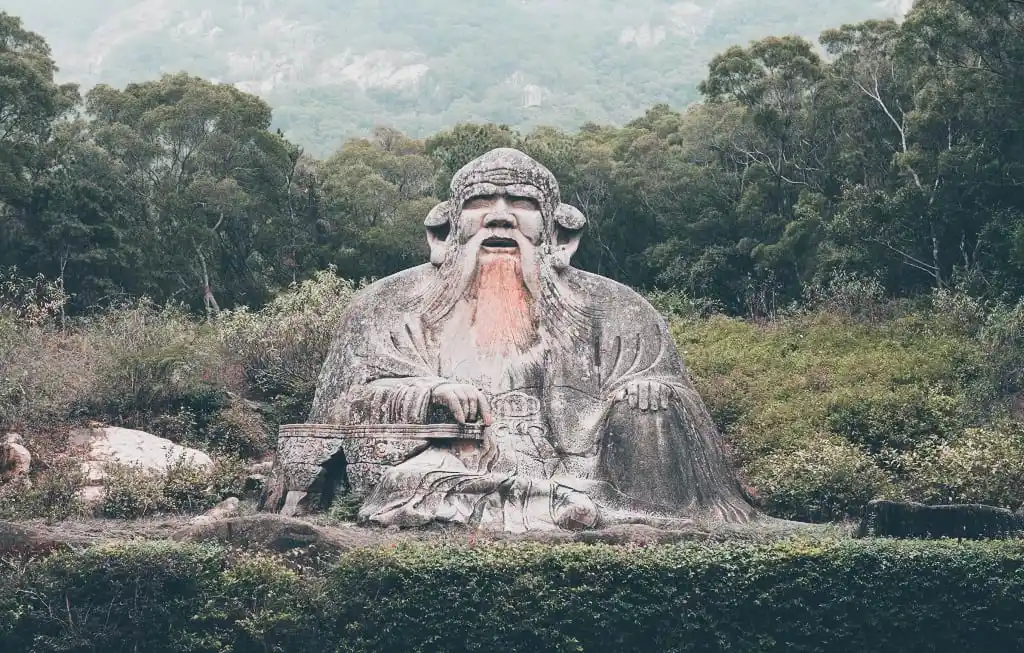
Lao tzu
#10
A good man does not think himself good, and a foolish man is always trying to appear good.
- The most humble person is not really humble.
- One cannot stand on one leg for long.
- One cannot walk with legs spread apart.
To know others is intelligence, to know oneself is wisdom. To conquer others is strength, to conquer oneself is true courage.

Mahākāla
#11
"Mahā" means great, surpassing. "Kāla" means time, darkness, emptiness. Mahākāla transcends time and space.
- An incarnation of Mahāvairocana Buddha embodies the quality of destruction.
- An aspect of Shiva dissolves everything back into the primal Void.
- Deep blackness represents the absence and complete dissolution of all phenomena.
Mahākāla, fierce and destructive, devastates all of nature and even deities; this represents the Age of Destruction and Emptiness, where time and space are almost beyond conception.
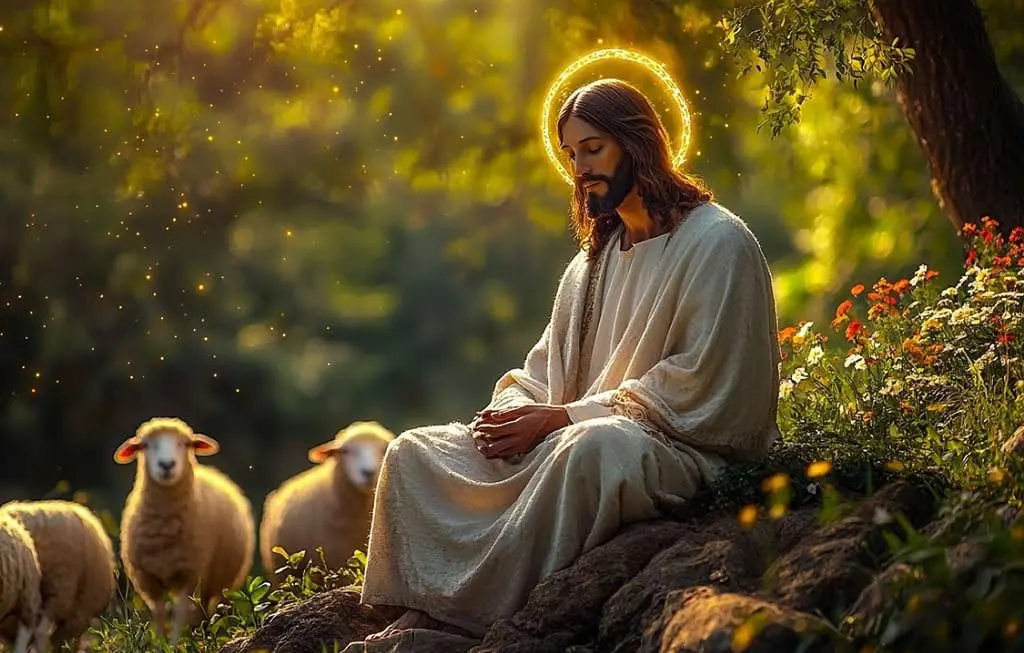
Yeshua
#12
Do not judge, or you too will be judged.
- You have heard that it was said: “Love your friends, hate your enemies.” But,
- now I tell you: love your enemies and pray for those who persecute you, so that you may become the children of your Father in heaven.
- For He makes his sun shine on bad and good people alike, and gives rain to those who do good and to those who do evil.
Do to others as you would have them do to you.
Bhaddekaratta
"Az ember nem szabad elhanyagolnia saját jóságát máséért, bármilyen nagy is legyen;
Tudva, mi a jó saját maga számára,
szándékában kell lennie, hogy elérje a valódi célját."
- Dhammapada -
Elajándékozás
Nincs Jövetel, Nincs Menés
A kik itt gyűltek össze, akár a földön, akár az égen, kívánom, hogy minden lény boldog szívvel éljen. Figyeljetek, minden lény, szeressétek az összes élőlényt. Akik itt összegyűltek, legyenek biztonságban.

Ratanasutta
Sutta Nipāta
A jogos hit a legjobb gazdagság egy ember számára. Aki szorgalmas és megfontolt, annak a tanítás boldogságot hoz, ha jól gyakorolja. Az igazság a legédesebb íz. Aki a legjobb életet éli, az bölcsességgel él.
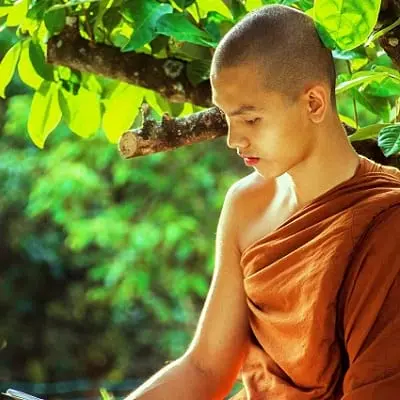
Āḷavakasutta
Sutta Nipāta
Ahogy egy anya az életével védené egyetlen gyermekét, úgy is minden lény számára bontsunk ki egy határtalan szívet. Állva, sétálva, ülve, vagy fekve, tartsuk ezt mindig szem előtt; mert ez egy isteni meditáció az életben.

Mettasutta
Sutta Nipāta
Minden mulandó, a Dukkha a ragaszkodásból ered. Amikor az elme irányítás alatt áll, csak védd meg a rossz dolgoktól, ne mindentől. Minden önmagától mentes, a Nibbāna nem ragaszkodás.