La excelencia no es un acto, sino un hábito.
Por lo tanto, les digo a todos ustedes, Ānanda: "Mantengan esta buena práctica que he fundado. No sean mi hombre final."
- El mayor enemigo de uno es su ego. La mayor pérdida de uno es perderse a sí mismo.
- La arrogancia es la peor derrota. La autodesprecio es lo más lamentable.
- La compasión y la conciencia de la impermanencia que surgen en la mente de uno son los mayores regalos.
Así que Ānanda, después de que me haya ido, deja que la enseñanza sea tu isla, vive como tu propia isla, tu propio refugio, sin otro refugio.
Para el independiente no hay agitación. Cuando no hay agitación, hay tranquilidad. Cuando hay tranquilidad, no hay inclinación. Cuando no hay inclinación, no hay venida ni ida. Cuando no hay venida ni ida, no hay morir y reaparecer. Cuando no hay morir y reaparecer, no hay este mundo o el mundo más allá o entre los dos.
Esto es justamente el fin del sufrimiento.
Recuerdo
Buda - Enseñanza - Saṅgha - Ética - Generosidad - Deidades
Compasión
Verdadera libertad
¿Quién puede seguir las huellas de Aquel que no deja rastro? La tranquilidad de actos - palabras - pensamientos es la presencia de un Buda. La indefinición de esos es la extinción de un Buda.
Sabiduría
Déjalo ser
Incluso las palabras más sabias son como una balsa para llegar a la otra orilla, no para aferrarse a ellas todo el tiempo. Solo el Dhamma no ligado es el verdadero Dhamma.
Fortaleza
Camina con sabios, sé sabio
Si no encuentra asesores sabios o buenos compañeros, debería esforzarse por vivir soportando peligros sin desmayo, vagando solo como el cuerno de un rinoceronte.
Discursos
Camino Antiguo


Disciplina - Análisis
Weed
Virtue, responsibility, protection
Ethics (Sīla), Precepts (Sikkhāpada), Discipline (Pàtimokkha), Regulations (Khandhaka), Rules (Vinaya).
The initial disciples had mostly undergone training with various ascetics and non-Buddhist teachers for a long period, so non-negligence had become a natural part of their character. Therefore, the teacher Gotama only needed to guide them in Morality (Sīla), Concentration (Samādhi), and Wisdom (Paññā). The rules (Vinaya) only gradually appeared as the number of disciples increased rapidly later on... >>> Detalles

Explanation and discussion of the Dhamma
- How can a drop of water not dry up?
- Drop it into the ocean.
Commentaries, annotations, and analyses of traditional scriptures, as well as the novels (sometimes also referred to as 'sūtras'), are the doctrinal points created by later disciples based on the original teachings of Master Gotama... >>> Detalles

Non-Buddhist teaching of liberation
"These big fishes in this small pond are all covered by this net; even if they leap up, they are still confined and covered here."
Compilation of the differing and similar interpretations of various religions, their founders, teachers, philosophers, practitioners, and renowned speakers throughout history that humanity has preserved and recorded... >>> Detalles

Other sources of materials
"Ipse se nihil scire id unum sciat."
Compilation of some websites, resources, libraries, and commonly used dictionaries for Buddhists and scholars of Buddhist studies... >>> Detalles

Historical documents
"Do not seek to follow in the footsteps of the wise. Seek what they sought."
Milestones, events, causes, and the formation process of the schools and corresponding scriptures throughout the history of Buddhism. >>> Detalles

Kafka on the Niraya's shore
The closer you get to the light, the greater your shadow grows. Until you become darkness yourself.
The interminable realm of darkness of Devadatta, Sisyphus, Prometheus. Here there is no Abhidhamma, only the entrance to the Avīci Hell. This place of delusional dreams is not a suitable abode for Buddhism practitioners. Depart from here before the last glimmer of light in Icarus’s eyes fades away... >>> Saṃsāra

Fortuna
Buena Mente Buen Día
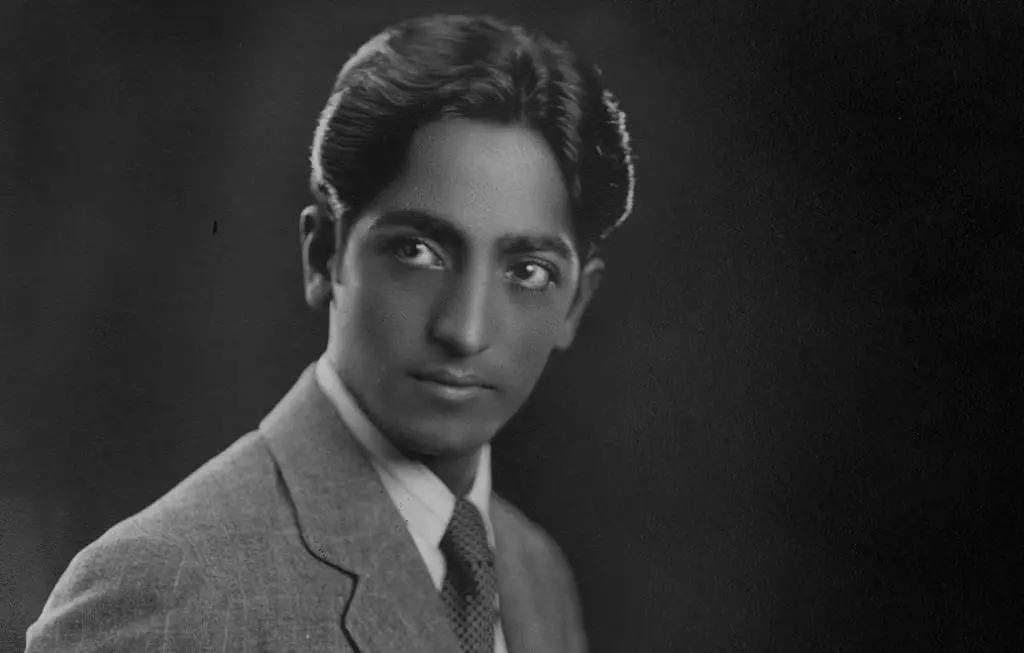
Krishnamurti
#9
When facing every problem, large or small, human beings are always influenced by preconceived conclusions, explanations, and social prejudices.
- Parents, teachers, society, and religion—all say 'do this' and 'don't do that.'
- We dig a small hole and imprison ourselves in it, letting life pass by.
- The best and most beautiful thing is when you are alone.
Life is a continuous movement in relation; to try to capture this movement in the form of the past, such as memory, is to fear life.

Mahākāla
#11
"Mahā" means great, surpassing. "Kāla" means time, darkness, emptiness. Mahākāla transcends time and space.
- An incarnation of Mahāvairocana Buddha embodies the quality of destruction.
- An aspect of Shiva dissolves everything back into the primal Void.
- Deep blackness represents the absence and complete dissolution of all phenomena.
Mahākāla, fierce and destructive, devastates all of nature and even deities; this represents the Age of Destruction and Emptiness, where time and space are almost beyond conception.
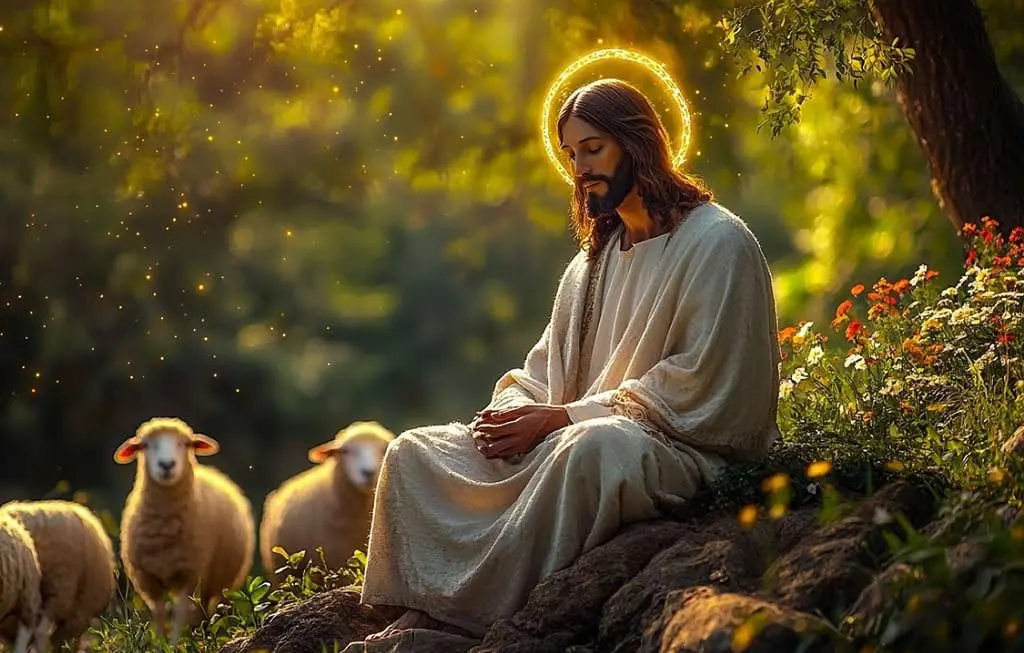
Yeshua
#12
Do not judge, or you too will be judged.
- You have heard that it was said: “Love your friends, hate your enemies.” But,
- now I tell you: love your enemies and pray for those who persecute you, so that you may become the children of your Father in heaven.
- For He makes his sun shine on bad and good people alike, and gives rain to those who do good and to those who do evil.
Do to others as you would have them do to you.
Bhaddekaratta
"Uno no debería descuidar su propio bien por el de otro, por grande que sea;
Conociendo bien lo que es bueno para uno,
debería estar enfocado en su verdadero objetivo."
- Dhammapada -
Dedicación
No Hay Venida No Hay Ida
Cualesquiera que sean los seres reunidos aquí, en el suelo o en el cielo, que todos tengan un corazón feliz. Presten atención, tengan amor por todas las criaturas. Que todos los seres reunidos aquí estén a salvo.

Ratanasutta
Sutta Nipāta
La fe justificada es la mayor riqueza de una persona. Para el diligente y perspicaz, la enseñanza trae felicidad cuando se practica bien. La verdad es el sabor más dulce. Dicen que quien vive mejor lo hace con sabiduría.
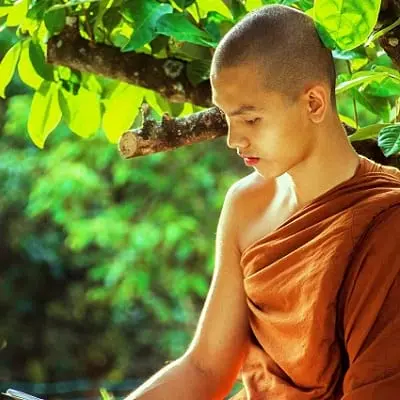
Āḷavakasutta
Sutta Nipāta
Como una madre protege a su único hijo, despliega un corazón ilimitado para todas las criaturas. En pie, caminando, sentado o acostado, mantén esto en mente; es una meditación divina en esta vida.

Mettasutta
Sutta Nipāta
Todo es impermanente, Dukkha surge del apego. Cuando la mente está bajo control, solo necesitas protegerla de donde vienen las cosas malas, no de todo. Todo es no-yo, Nibbana es no-apego.