Mükemmeliyet bir eylem değil, bir alışkanlıktır.
Bu yüzden size, Ānanda: "Kurduğum bu iyi pratiği sürdürün. Son insanım olmayın." diyorum.
- Bir kişinin en büyük düşmanı egosudur. Kişinin en büyük kaybı kendisini kaybetmektir.
- Kibir en kötü mağlubiyettir. Kendini küçümseme ise en acınacak durumdur.
- Merhamet ve geçici oluşu fark etme, bir kişinin en büyük armağanlarıdır.
Öyleyse Ānanda, geçtikten sonra, öğretim senin adanmışlığın olsun, kendi adanmışlığın, kendi sığınma yerin olarak yaşa, başka bir sığınma yeri olmadan.
Bağımsız olanın telaşı yoktur. Telaş olmadığında dinginlik vardır. Dinginlik olduğunda eğilim yoktur. Eğilim olmadığında gelme ve gitme yoktur. Gelme ve gitme olmadığında, ölüm ve yeniden doğuş yoktur. Ölüm ve yeniden doğuş olmadığında, ne bu dünya ne de öteki dünya ya da ikisi arasındaki şeyler vardır.
Sadece bu, acının sonudur.
Hatırlama
Buda - Öğreti - Saṅgha - Etik - Cömertlik - Tanrılar
Merhamet
Gerçek özgürlük
Hiç iz bırakmadan gidenin ayak izlerini kim takip edebilir? Hareketlerin - sözlerin - düşüncelerin huzuru, bir Buddha’nın varlığıdır. Bunların belirsizliği bir Buddha’nın sönüşüdür.
Bilgelik
Bırak böyle olsun
En bilge sözler bile, yalnızca uzak kıyıya ulaşmak için bir sal gibidir; onları her zaman tutmak, üzerinde kalmak için değil. Gerçek Dhamma, yalnızca bağlanmamış olanıdır.
Dayanıklılık
Bilgelerle yürü, bilge ol
Bilge danışmanlar veya iyi tanıyan arkadaşlar bulamazsan, yalnız başına tehlikelerle dolu bir yaşam sürmeye çalış; bir gergedan boynu gibi, kendi başına hareket et.
Söylevler
Kadim Yol


Disiplin - Analizler
Kötü alışkanlıklar
Virtue, responsibility, protection
Ethics (Sīla), Precepts (Sikkhāpada), Discipline (Pàtimokkha), Regulations (Khandhaka), Rules (Vinaya).
The initial disciples had mostly undergone training with various ascetics and non-Buddhist teachers for a long period, so non-negligence had become a natural part of their character. Therefore, the teacher Gotama only needed to guide them in Morality (Sīla), Concentration (Samādhi), and Wisdom (Paññā). The rules (Vinaya) only gradually appeared as the number of disciples increased rapidly later on... >>> Ayrıntılar

Explanation and discussion of the Dhamma
- How can a drop of water not dry up?
- Drop it into the ocean.
Commentaries, annotations, and analyses of traditional scriptures, as well as the novels (sometimes also referred to as 'sūtras'), are the doctrinal points created by later disciples based on the original teachings of Master Gotama... >>> Ayrıntılar

Non-Buddhist teaching of liberation
"These big fishes in this small pond are all covered by this net; even if they leap up, they are still confined and covered here."
Compilation of the differing and similar interpretations of various religions, their founders, teachers, philosophers, practitioners, and renowned speakers throughout history that humanity has preserved and recorded... >>> Ayrıntılar

Other sources of materials
"Ipse se nihil scire id unum sciat."
Compilation of some websites, resources, libraries, and commonly used dictionaries for Buddhists and scholars of Buddhist studies... >>> Ayrıntılar

Historical documents
"Do not seek to follow in the footsteps of the wise. Seek what they sought."
Milestones, events, causes, and the formation process of the schools and corresponding scriptures throughout the history of Buddhism. >>> Ayrıntılar

Kafka on the Niraya's shore
The closer you get to the light, the greater your shadow grows. Until you become darkness yourself.
The interminable realm of darkness of Devadatta, Sisyphus, Prometheus. Here there is no Abhidhamma, only the entrance to the Avīci Hell. This place of delusional dreams is not a suitable abode for Buddhism practitioners. Depart from here before the last glimmer of light in Icarus’s eyes fades away... >>> Saṃsāra

Şans
İyi Zihin İyi Gün
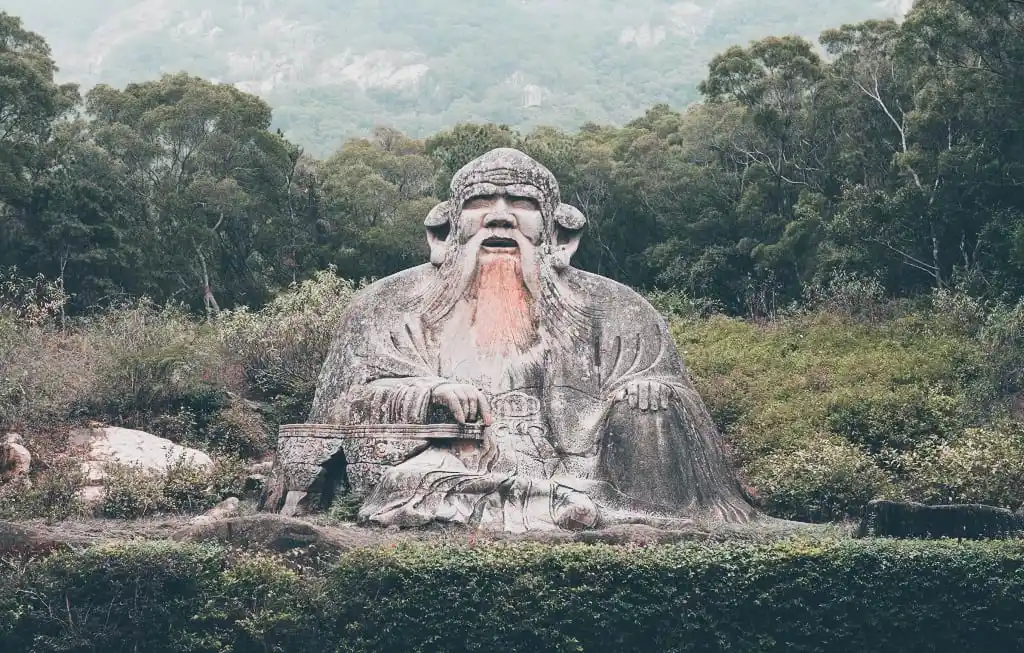
Lao tzu
#10
A good man does not think himself good, and a foolish man is always trying to appear good.
- The most humble person is not really humble.
- One cannot stand on one leg for long.
- One cannot walk with legs spread apart.
To know others is intelligence, to know oneself is wisdom. To conquer others is strength, to conquer oneself is true courage.

Mahākāla
#11
"Mahā" means great, surpassing. "Kāla" means time, darkness, emptiness. Mahākāla transcends time and space.
- An incarnation of Mahāvairocana Buddha embodies the quality of destruction.
- An aspect of Shiva dissolves everything back into the primal Void.
- Deep blackness represents the absence and complete dissolution of all phenomena.
Mahākāla, fierce and destructive, devastates all of nature and even deities; this represents the Age of Destruction and Emptiness, where time and space are almost beyond conception.

Yeshua
#12
Do not judge, or you too will be judged.
- You have heard that it was said: “Love your friends, hate your enemies.” But,
- now I tell you: love your enemies and pray for those who persecute you, so that you may become the children of your Father in heaven.
- For He makes his sun shine on bad and good people alike, and gives rain to those who do good and to those who do evil.
Do to others as you would have them do to you.
Bhaddekaratta
"Kişi başkasınınkinden ne kadar büyük olursa olsun, kendi iyiliğini ihmal etmemelidir;
Kendisi için neyin iyi olduğunu iyi bilerek,
kişinin gerçek hedefine yönelmesi gerekir."
- Dhammapada -
Adama
Gelme Gitme Yok
Burada toplanmış olan varlıklar, ister yerde ister gökte olsunlar, hepsi mutlu kalabilsinler diye. Öyleyse dikkat edin, tüm varlıklar için derin bir sevgi besleyin. Burada toplanmış olan varlıklar, her daim güvende olun.

Ratanasutta
Sutta Nipāta
Haklı bir inanç, bir kişinin en iyi servetidir. Dikkatli ve seçici olan, öğretiyi iyi uyguladığında mutluluğu getirir. Gerçek en tatlı tatlardan biridir. En iyi hayatı yaşadığı söylenen kişi bilgelikle yaşar.

Āḷavakasutta
Sutta Nipāta
Bir anne tek çocuğunu hayatıyla koruyacağı gibi, tüm canlılar için de sınırsız bir kalp aç. Ayakta, yürürken, otururken veya uzanırken, bunu her zaman aklında tut; çünkü bu hayatında ilahi bir meditasyondur.

Mettasutta
Sutta Nipāta
Her şey geçicidir, Dukkha yapışmadan kaynaklanır. Zihin kontrol altına alındığında, sadece kötü şeylerden korumak gerekir, her şeyden değil. Her şey benlikten yoksundur, Nibbana yapışmasızlıktır.